Moon Reading Explained: How Your Moon Sign Shapes Emotions
You’re drawn to astrology because it offers a language for feelings that sometimes feel too big for words. Moon reading is one of the most intimate branches of astrology, because the Moon maps your emotional landscape: the way you feel, the ways you seek comfort, and how you respond when life gets intense. In this article you’ll learn what a moon sign is, how to find yours, why it matters for emotional awareness, and how to use lunar astrology as a practical tool for self-discovery, healing, and growth.
You’ll get clear explanations of moon placements (signs, houses, and aspects), an overview of the Moon’s phases and transits, and concrete exercises—journaling prompts, meditations, and simple moon rituals—that help you translate insights into daily practice. Whether you’re completely new to astrology or you’ve glanced at your birth chart before, this guide will make moon reading feel approachable, useful, and gently empowering.
Table of Contents
What is a Moon Sign?
Your moon sign is the zodiac sign the Moon occupied the moment you were born. While your Sun sign describes core identity and life purpose, your Moon sign reveals your inner emotional world: your instincts, comfort needs, and habitual responses to stress and intimacy. Think of your Moon as your emotional software—what feels intuitive, automatic, and safe.
Because the Moon moves quickly, it changes signs every two to two-and-a-half days, so you’ll need an accurate birth time to locate it precisely. The Moon rules your moods, memory patterns, and the non-verbal ways you connect to others. It’s a central player in lunar astrology and is often the missing key when people say, “That sounds nothing like my Sun sign—but it’s shockingly accurate.”
How to Find Your Moon Sign
To find your moon sign you’ll need three pieces of information: your birth date, your exact birth time, and the city where you were born. With those, you can generate your natal chart using a reliable astrology site or app—many people use Astro.com, CafeAstrology, or their favorite astrology app. Enter your data and look for the symbol of the Moon (☾) to see what sign it’s in and which house it occupies.
If you don’t know your birth time, you can still get a rough idea of your Moon sign by checking a noon chart for your birth day, but take that with caution—an inaccurate birth time can place your Moon in a different sign. If possible, consult official birth records or ask family members for the best source of your birth hour. Once you have your Moon sign, you can start to learn how it shapes your emotional patterns and responses.

Why the Moon Matters for Emotions
You’ll notice your Moon preferences in moments when you’re under stress or when you’re seeking comfort. The Sun shows who you aim to become; the Moon reveals how you nurture yourself and others. Because emotions often operate below conscious thought, lunar placements are a powerful way to understand recurring feelings, attachments, and reactions that might otherwise seem irrational.
Working with your Moon supports emotional awareness: you can recognize triggers sooner, understand your coping strategies, and choose healthier responses. On a practical level, the Moon can guide how you care for yourself during difficult times, how you create safe spaces, and what kinds of routines soothe you. Appreciating the Moon’s role in your chart helps you translate emotional experiences into meaningful personal development.
Moon and Emotional Patterns
Your Moon creates emotional habits—some are adaptive and comforting, others can be outdated survival strategies. By studying moon placements you’ll identify patterns that feel automatic: craving reassurance, withdrawing when vulnerable, or reacting with impatience. Once you see these patterns mapped astrologically, you have the chance to shift them with conscious practice.
Emotional patterns connected to the Moon aren’t moral failures; they’re learned responses. With curiosity and a little self-kindness, you can use moon reading to spot when you’re repeating a story that no longer serves you. This awareness becomes the first step toward changing behavior, healing old wounds, and cultivating resilience.

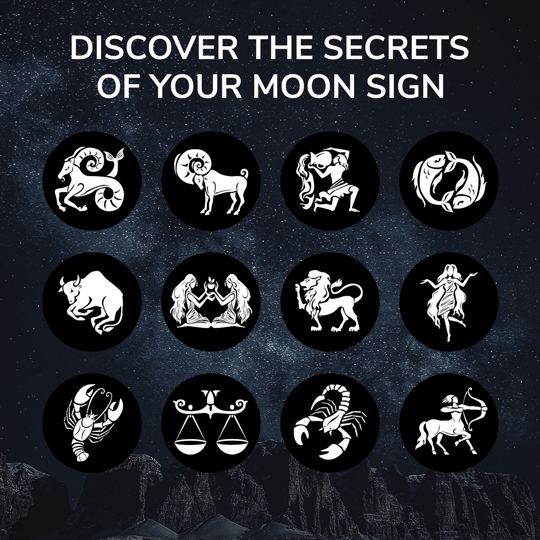
Moon in Signs: How Each Moon Flavors Emotion
Your Moon sign describes the style of your emotional expression and needs. Below you’ll find short, practical descriptions of each Moon sign’s emotional tendencies and simple ways to support yourself.
Moon in Aries
With the Moon in Aries you respond to feelings quickly and directly. You want emotional freedom, immediate action, and clarity; you don’t like to stew. Your nervous system prefers movement—exercise, clear boundaries, and outlets that discharge tension. Anger or frustration can surface fast, but so can enthusiasm and courage.
To care for yourself, practice pausing before you act and develop simple grounding rituals: a few deep breaths, a walk, or a quick calming mantra. When you channel your energy into creative projects or physical activity, you feel emotionally replenished.
Moon in Taurus
If your Moon is in Taurus, security and sensory comfort are essential. You crave stability, slow nurturing, and physical expressions of love—food, touch, routines, and cozy environments. You may resist change because it threatens your sense of safety.
Create a predictable self-care routine and cultivate patience with transitions. Soothing rituals—warm baths, nourishing meals, tactile comforts—help you process emotions more slowly and gently. Financial and material security are emotional keys for you.

Moon in Gemini
Your Moon in Gemini makes you emotionally curious and verbally expressive. You process feelings by thinking, talking, and gathering information. You may minimize deep discomfort through humor, distraction, or intellectualization, preferring variety to emotional intensity.
To support emotional depth, practice focused listening to your inner experience. Journaling, talking with a trusted friend, or using short mindfulness breaks can help you slow down and connect more fully to what you feel beyond the story you tell yourself.
Moon in Cancer
A Moon in Cancer is deeply tuned to emotional currents and family bonds. You might feel other people’s moods strongly and protect your inner sensitivity with care and sometimes emotional withdrawal. Home, ritual, and nurturance restore you.
Honor your need for safe spaces, regular check-ins with yourself, and ceremonial routines that feel comforting. Boundaries are essential: learning to say no kindly helps you avoid emotional exhaustion while preserving your profound empathy.

Moon in Leo
With the Moon in Leo you express emotions warmly and dramatically. You’re happiest when you can share affection, receive appreciation, and feel creatively alive. Pride and dignity matter; you can feel deeply wounded by perceived rejection or lack of recognition.
Practice giving yourself the applause you crave—creative play, performance, and self-acknowledgment reduce the need for external validation. Cultivate humility and vulnerability alongside your radiant self-expression to deepen intimacy with others.
Moon in Virgo
A Virgo Moon processes feelings through analysis, service, and routine. You may tidy your emotions by organizing, helping others, or seeking practical solutions. Perfectionist tendencies can make you hypercritical—toward yourself or your feelings.
Support yourself by balancing doing with being: allow emotions without fixing them immediately. Gentle body-based practices—walking, mindful eating, or breathwork—connect you to feeling without judgment, helping you accept emotions as they are.
Moon in Libra
If your Moon is in Libra you feel most at ease in harmonious relationships. You naturally seek balance, fairness, and aesthetic calm. You may avoid conflict to keep peace, sometimes losing touch with your own needs in the process.
Practice asserting gentle boundaries and discovering what you truly prefer. Developing an inner dialogue that affirms your needs helps prevent resentment. Creative or relational arts—dancing, shared meals, or collaborative projects—nurture you emotionally.
Moon in Scorpio
A Scorpio Moon feels emotions with intense depth and privacy. You experience transformation through emotional confrontation and crave authenticity in intimate bonds. You’re protective of vulnerability and may use silence or strategic control to manage fears.
Healing comes through honest emotional excavation and safe, trusted relationships. Therapies that honor depth work—shadow work, somatic therapy, and breathwork—help you metabolize intense feelings and reclaim your power with compassion.
Moon in Sagittarius
With the Moon in Sagittarius you seek emotional freedom, meaning, and expansion. You prefer optimism, adventure, and philosophical perspectives in dealing with feelings. You may avoid feeling stuck by reframing or seeking new horizons.
Ground yourself in practices that combine exploration with introspection: travel with intentional journaling, study philosophy with emotional reflection, and use physical movement to integrate feelings. Commitments that allow growth rather than restriction will soothe you.
Moon in Capricorn
A Capricorn Moon fosters emotional reserve and an orientation toward responsibility. You may appear stoic because you value competence and tangible progress. Emotional security for you often looks like achievement and structured plans.
Allow permission to rest and feel without performance. Small rituals that honor emotional needs—consistent sleep, contemplative walks, or talking with a trusted confidant—help you access vulnerability without losing dignity.
Moon in Aquarius
If your Moon is in Aquarius you experience feelings through ideals, community, and intellectual detachment. You’re emotionally invested in humanity and groups, but you might distance yourself from individual intimacy to protect independence.
To deepen connection, practice vulnerability incrementally: share feelings with one person you trust and allow warmth to land in your body through micro-rituals. Group activism or creative collaborations can also feed your emotional life meaningfully.
Moon in Pisces
A Pisces Moon feels with oceanic sensitivity and spiritual openness. You’re empathetic, imaginative, and easily moved by beauty. Boundaries can be porous, and you may need practices that help you separate your feelings from others’ emotional tides.
Grounding through art, ritual, and nature helps you integrate empathy without overwhelm. Gentle creative expression, water-based therapies, or guided imagery can help you metabolize and transform deep feelings into compassionate action.
Moon in Houses: Where Feelings Play Out
The house placement of your Moon shows the life area where your emotional energy is most active—where you instinctively seek comfort and safety. A Moon in the 4th house intensifies domestic and family needs, while the Moon in the 10th may tie emotional security to career standing. Understanding the house helps you see where you live your emotional patterns.
Houses give context: a Moon in the 3rd house will color your daily communications and neighborhood ties, while a Moon in the 8th invites emotional depth around shared resources, intimacy, and transformation. Combining sign and house gives you a fuller map: the sign describes how you feel, the house shows where you feel it most strongly.
Moon Aspects: Emotional Conversations in Your Chart
Aspects are angles between the Moon and other planets; they show how different parts of you interact emotionally. A Moon conjunct Venus indicates ease in expressing affection and a need for harmony, while a Moon square Saturn might point to emotional restraint, early responsibility, or a tendency to self-limit.
Positive aspects (trines, sextiles) suggest supportive inner resources for expressing emotions; challenging aspects (squares, oppositions) indicate growth edges and unresolved dynamics. For example, Moon opposite Mars can create emotional assertiveness or impulsivity; Moon trine Neptune can enhance empathy and imaginative sensitivity. When you read your Moon aspects, you’ll see an inner dialogue between your feelings and other drives—your capacity to respond with awareness grows when you name these patterns.
Moon Phases and Transits: Timing Emotional Work
The Moon’s phases and ongoing transits are practical tools for timing your emotional work. New Moons are ideal for setting intentions and planting seeds for inner change; Full Moons illuminate what’s ready for release. Waning phases invite reflection and letting go; waxing phases support growth and integration.
Transits of the Moon are short but potent; lunar returns (your monthly Moon return) can highlight recurring themes, and a progressed Moon can signify longer-term emotional development. Using the lunar cycle as a rhythm helps you pace emotional exploration—choose introspection during dark moons and celebration during blossoming moons, and you’ll find your feelings naturally align with planetary timing.

Using Moon Reading for Emotional Awareness
Moon reading is a mirror you can use to cultivate emotional literacy. Start by journaling daily for a month with attention to your Moon sign’s themes. Note when old patterns repeat and what contexts trigger strong reactions. Over time you’ll build a vocabulary for your feelings and a map for where emotional work is most needed.
Practice naming emotions precisely. Instead of “I’m upset,” you could write “I’m disappointed because my need for recognition wasn’t met.” Precision reduces reactivity and increases your capacity to respond intentionally. As lunar awareness deepens, you’ll make different choices—toward healthier boundaries, better self-care, and more satisfying relationships.
Practical Exercises: Journaling, Meditation, and Rituals
Translate moon insights into practice with daily and monthly habits that honor your Moon’s needs. Keep a lunar journal: record your mood each day, note triggers, and reflect on how your Moon sign influences your reactions. Use prompts that align with your Moon’s tendencies—creative prompts for Leo Moons, tactile grounding for Taurus Moons, or contemplative solitude for Cancer Moons.
Short somatic practices—five minutes of breathwork, progressive muscle relaxation, or mindful walking—help regulate the Moon’s emotional surges. You can also design simple moon rituals around the lunar cycle: a New Moon intention-setting ritual, a Full Moon release ceremony, or a weekly self-care check-in aligned with your Moon sign’s preferences. These practices scaffold growth by making the invisible visible and giving you repeatable ways to care for your inner life.
Sample Journaling Prompts
Use these prompts tailored by your Moon’s themes to deepen awareness, practice vulnerability, and create change with intention.
- What emotion came up today that surprised you, and what triggered it?
- Where did you seek comfort today, and how did it help or hinder you?
- Name one old pattern your Moon is repeating—what small choice could alter it tomorrow?
These prompts are simple, but consistency will produce clarity and momentum for personal growth.
Relationships: How Your Moon Shapes Intimacy
Your Moon sign affects how you attach, nurture, and need comfort in relationships. You’ll notice whether you seek emotional safety through routine, intellectual connection, physical closeness, or independence. When you and a partner understand each other’s Moon placements, you can empathize with differing emotional languages and design relationship practices that honor both needs.
Relationship work with Moon awareness helps you avoid reactive cycles. For example, if your Moon craves reassurance and your partner’s Moon is more reserved, explicit agreements around check-ins and expressions of care can prevent misunderstandings. Moon compatibility doesn’t guarantee perfect harmony, but it gives you practical insight to negotiate intimacy more skillfully.
Healing, Personal Growth, and Spiritual Development
Moon reading is not just about knowing why you feel a certain way—it’s a tool for transformation. You can use lunar insights to map emotional wounds, practice inner caregiving, and cultivate spiritual growth. For example, a Scorpio Moon’s intensity can become a path to profound soul work; a Pisces Moon can channel empathy into compassionate service.
Integrate moon work with therapeutic practices: talk therapy, somatic experiencing, inner child work, and mindfulness all complement lunar insights. The Moon can guide you toward practices that resonate with your emotional structure—ritual for Cancer Moons, creative expression for Leo Moons, or community service for Aquarius Moons. Over time, this alignment accelerates healing and fosters a sense of wholeness.
Skepticism, Boundaries, and Psychological Integration
It’s healthy to balance lunar astrology with critical thinking. Astrology offers symbolic language and archetypal patterns, not deterministic fate. Use moon reading as a reflective tool rather than an absolute rulebook. You’re not your Moon sign in isolation—your entire natal chart, life experiences, and conscious choices shape who you are.
If astrology stirs intense emotions or raises unresolved issues, pair it with grounded practices: therapy, medical care when needed, and research from reputable sources. Integrating astrology with psychological frameworks enhances self-knowledge without replacing professional care. Keep curiosity open and practice boundaries with any system that feels dogmatic.
How to Keep Growing with Moon Reading
Make moon reading a practice, not a one-time discovery. Track your Moon’s cycles, revisit your chart during life transitions, and use lunar timing to structure self-care. Seek out books, podcasts, and workshops by ethical astrologers who emphasize empowerment and emotional maturity. Join communities where you can discuss insights respectfully, and consider working with a professional astrologer for deeper chart synthesis.
Practice patience: emotional growth is incremental and circular. Your Moon will show you where to start, but you’ll likely circle back to the same lessons as you evolve. Celebrate small wins and be gentle with setbacks—the Moon’s rhythm itself teaches you about cycles, renewal, and resilience.
Conclusion: Your Moon as an Ally
Your Moon is a compassionate, natural guide to your inner life. By learning its language you gain tools for greater emotional awareness, better relationships, and more intentional personal growth. Moon reading offers both insight and practice: it reveals why you feel the way you do and points toward concrete ways to care for yourself.
You don’t have to adopt every label or description literally. Take what resonates, experiment with rituals, and use the Moon’s timing to support your growth. Over time you’ll notice a quieter mind, steadier moods, and more confidence in showing up authentically—moonlit wisdom can become a steady companion on your emotional and spiritual path.