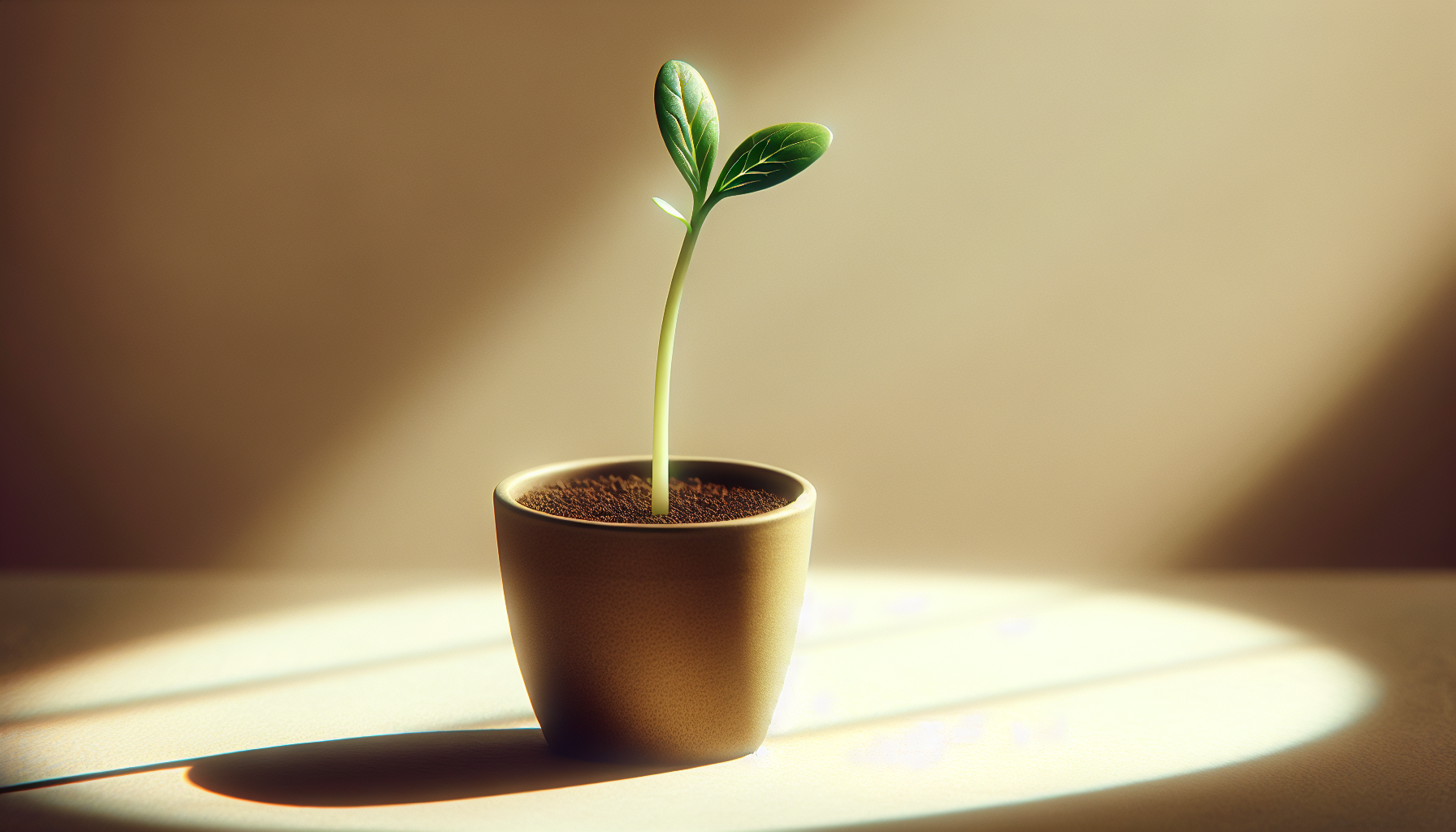
You’re at a stage in life where experience meets possibility, and adopting a growth mindset can open doors you might have thought were closed. This article gives you practical practices, scientific background, and everyday routines tailored for women over 40 so you can intentionally unlock potential, try new things, and embrace midlife opportunities. Read on to discover actionable ideas that fit your life, responsibilities, and goals.

What Is a Growth Mindset?
A growth mindset is the belief that your abilities and intelligence can be developed with effort, good strategies, and support. When you adopt this perspective, you treat challenges as opportunities to learn rather than as fixed indicators of who you are. This doesn’t mean ignoring limits; it means approaching them with curiosity and the conviction that progress is possible.
Fixed vs Growth Mindset
A fixed mindset assumes talents and traits are innate and unchangeable, while a growth mindset sees them as malleable through practice and learning. You may have lived much of your life with a mix of both mindsets; the good news is you can intentionally shift toward growth by changing habits, language, and the way you respond to setbacks. Recognizing which mindset shows up for you is the first step in creating change.
Table of Contents
Why Growth Mindset Matters After 40
After 40, you’re likely juggling career demands, family, health, and perhaps caregiving for aging parents. A growth mindset helps you navigate transitions — whether you’re pivoting careers, prioritizing wellness, or learning new skills — without being derailed by self-doubt. It enables resilience, sustained learning, and the courage to pursue meaningful goals even when life feels complicated.
The Science Behind Growth and Neuroplasticity
brains retain capacity for growth throughout life thanks to neuroplasticity — the brain’s ability to reorganize itself by forming new neural connections. This means learning new skills, adapting habits, and recovering from setbacks remain realistic and achievable. When you practice consistently and vary your learning approaches, you actively shape the neural pathways that support new behaviors and thinking.
How Your Brain Keeps Changing
Even in midlife and beyond, your brain responds to challenge, practice, and novelty by strengthening synapses and creating new connections. When you take on tasks that stretch your current abilities, your brain releases chemicals that support learning and memory. This biological reality supports the psychological stance of the growth mindset: change is not only possible, it’s wired into you.
Hormones, Sleep, and Learning After 40
Hormonal shifts, menopause, and changing sleep patterns can affect energy, mood, and memory, but they don’t stop your ability to grow. Paying attention to sleep quality, nutrition, and stress management amplifies your learning capacity. Small lifestyle shifts — like improving sleep hygiene or adjusting caffeine timing — can make the cognitive work of growth easier and more sustainable.
Common Challenges Women Over 40 Face
You may encounter social expectations, internalized narratives, and logistical constraints that make change feel harder than it should. Ageism, stereotypes about what women should or shouldn’t do at certain ages, and the pressure to be “settled” can undermine your confidence. Naming these external and internal forces lets you design practices that counteract them.
Societal Messages and Ageism
Society often equates youth with potential, which can translate into fewer opportunities or subtle biases in the workplace and media. Recognizing ageism as a systemic issue helps you separate your value from external assumptions. Championing your competence, asserting your experience, and seeking environments that respect midlife contribution are practical responses you can adopt.
Internalized Beliefs and Self-Doubt
You may carry beliefs like “It’s too late to change” or “I’m not tech-savvy enough,” and these thoughts can become self-fulfilling prophecies. A growth mindset lets you challenge those narratives by experimenting safely, collecting evidence of progress, and reframing failures as informative. Practicing self-compassion while you learn reduces the cost of trying.
Time Constraints and Caregiving Roles
Many women over 40 balance multiple roles, leaving limited time for personal growth. Instead of waiting for perfect conditions, you can use micro-practices and prioritized learning to make incremental progress. Designing small, consistent habits that fit into your existing schedule will accumulate into meaningful change without requiring major life upheaval.
Foundational Growth Mindset Practices
Start with simple, repeatable practices that reinforce the belief that you can grow. These foundational habits create a scaffold for bigger changes and help you build confidence through tangible progress. With reliable routines, the psychological burden of change becomes lighter.
Curiosity as a Daily Habit
Curiosity shifts you from judging to exploring. Make a habit of asking questions like “What can I learn here?” and “What would happen if I tried this?” Cultivating curiosity transforms routine tasks into experiments and reduces the fear of failure since each attempt is data for your next step. You’ll find that curiosity makes learning enjoyable, not merely another item on your to-do list.
Embracing Failure as Feedback
When you reframe failure as feedback, you stop seeing missteps as a verdict on your worth. Each failure tells you something specific: what to adjust, what to practice, or what assumption to revisit. Keep a log of lessons from setbacks to remind yourself that progress rarely moves in a straight line and that iterative improvement is normal.
Reframing Your Inner Narrative
The stories you tell yourself shape your actions. Replace “I’m not good at this” with “I haven’t mastered this yet” to allow room for effort and strategy. Use present-tense, action-oriented language to reinforce choice and agency. Over time, these linguistic shifts recalibrate how you think about challenges and influence the decisions you make.
Practical Exercises to Build a Growth Mindset
You can accelerate mindset change by practicing targeted exercises that strengthen flexibility, resilience, and self-awareness. These activities are designed to be repeatable and adaptable to your schedule, and they work best when you commit to them consistently.
Journaling Prompts for Reflection
Spend five to fifteen minutes daily or weekly answering prompts like “What did I try that challenged me today?” and “What did I learn from a mistake this week?” Journaling externalizes thought patterns and allows you to review evidence of growth. Over time your entries will form a narrative of progress that is powerful to revisit when motivation dips.
Deliberate Practice and Skill Chunking
Break new skills into small, focused components and practice each intentionally. Deliberate practice involves targeting the edge of your current ability, getting feedback, and repeating with refinement. By chunking skills into manageable parts, you avoid overwhelm and create frequent opportunities for small wins that reinforce motivation.
Learning Challenges and Micro-Goals
Set a 30-day or 90-day challenge to adopt a new habit or learn a skill, with micro-goals that specify exact, achievable steps. Micro-goals help you measure progress and keep momentum steady because each completed step offers clear evidence of forward movement. Celebrate these small milestones to solidify new neural pathways and emotional associations with growth.
Growth Mindset Practices for Career Reinvention
If you’re considering a career pivot or greater fulfillment at work, a growth mindset helps you evaluate possibilities without the paralysis of perfectionism. It encourages experimentation, skill acquisition, and strategic networking — all of which matter more than any one credential when you’re reinventing your professional life.
Networking with a Growth Orientation
Approach networking as mutual exchange and learning rather than as a transaction. Be curious about other people’s careers, offer help, and use conversations to gather information about paths you might explore. When you frame networking as exploration, it becomes less stressful and more fruitful, helping you find allies and mentors who support midlife transitions.
Skill Updating and Lifelong Learning
Identify the skills that will move you toward your goals and prioritize one or two to develop deeply. Choose learning formats that fit your life, like evening classes, weekend workshops, or micro-courses. Rapid iteration — learning, applying, and refining — accelerates your competence and demonstrates to employers and collaborators that you’re adaptable and growth-oriented.
Relationships, Family, and Growth Mindset
Your relationships are fertile ground for practicing a growth mindset. Whether you’re updating dynamics with your partner, communicating with adult children, or navigating friendships, adopting growth-oriented approaches fosters deeper connection and effective problem-solving.
Communicating Needs and Boundaries
A growth mindset supports honest communication about your evolving needs. Practice expressing your desires and boundaries as experiments in collaboration: “I’d like to try X for a month to see if it improves our household flow.” Framing requests as trials invites curiosity and reduces defensiveness, allowing both you and others to adjust without shame.
Modeling Growth for Younger Generations
When you openly show curiosity, admit mistakes, and iterate on goals, you model a healthy approach to learning for children, nieces, or younger colleagues. Demonstrating that growth doesn’t stop at any age liberates the people around you from rigid timelines and encourages them to embrace lifelong development.

Health, Fitness, and Growth Mindset
Physical health and mindset reinforce each other: moving more, nourishing your body, and managing stress create the conditions for cognitive flexibility and emotional resilience. With a growth mindset, you’ll choose sustainable changes over extreme shortcuts, emphasizing consistency and adaptive strategies.
Small Wins in Movement and Nutrition
Instead of dramatic overhauls, aim for small, repeatable wins like adding ten minutes of daily movement or swapping one processed snack for a whole-food alternative. These choices compound over weeks and months, and the incremental wins build confidence and evidence that you can shift habits. Remember that small is sustainable and often more impactful long-term.
Mental Health Practices That Support Growth
Cultivate practices such as mindfulness, therapy, or peer support to process emotions, manage stress, and sharpen focus. Mental health work enhances your capacity to take risks and tolerate discomfort while learning. When you invest in emotional resilience, you reduce the friction that often prevents you from practicing a growth mindset in other areas.
Overcoming Setbacks and Building Resilience
Setbacks are inevitable; how you respond determines whether they derail you or become stepping stones. Build a resilience toolkit so that when things go wrong, you have concrete strategies to recover, learn, and move forward.
Using Cognitive Reappraisal
Cognitive reappraisal means intentionally reframing a situation to change its emotional impact. When a project fails, instead of thinking “I’m incompetent,” try “This outcome shows where I can improve next time.” Reappraisal helps reduce shame, preserves motivation, and frees you to design informed next steps.
Creating a Recovery Plan After Setbacks
Draft a simple recovery plan you can use after disappointments: pause, reflect on what happened, list specific lessons, and identify one small corrective action. Having this structure prevents rumination and turns the setback into a sequence of manageable responses that move you back into action.
Designing Your Midlife Growth Plan
A personal growth plan turns broad intentions into concrete steps, balancing ambition with compassion. It acknowledges your responsibilities while carving out realistic ways to pursue learning, health, and purpose.
Setting Stretch Goals with Compassion
Choose goals that push you beyond comfort but don’t demand perfection. Stretch goals should inspire you and be paired with contingency plans and checkpoints. Attach kind language to your goals — for example, “I will aim to learn X skill over six months, while honoring my family and health needs” — so you pursue growth without self-punishment.
Tracking Progress Without Perfectionism
Use simple tracking tools — a journal, a habit app, or a spreadsheet — to record actions and outcomes. Focus on patterns over single results to avoid overreacting to anomalies. When you track with an emphasis on learning, data becomes a source of empowerment rather than a weapon for self-criticism.
Community, Mentorship, and Accountability
You don’t have to go it alone. Communities and mentors accelerate growth by offering feedback, perspective, and social reinforcement. Choose relationships that stretch you and hold you accountable in a supportive way.
Finding or Creating Supportive Groups
Seek or create groups of peers who are also in reinvention or learning phases. Shared goals and discussions normalize setbacks and provide diverse strategies for solving problems. Whether it’s a book club, a professional cohort, or a local meetup, group energy makes sustained growth more likely and more enjoyable.
Mentoring and Being Mentored
Mentorship is bidirectional: you can learn from experts and also offer wisdom to others who are earlier in their journeys. As mentees, you get targeted guidance and faster learning curves; as mentors, you consolidate your knowledge and develop leadership skills. Both roles reinforce the growth mindset by emphasizing continual learning.
Practical Daily Routines and Rituals
Daily routines structure your life so you can make steady progress without relying solely on willpower. Thoughtful rituals remind you of your priorities and create small moments of practice that add up over time.
Morning and Evening Rituals for Growth
Design concise morning rituals that set intention — a short movement, a quick review of your top three tasks, and a curiosity prompt — and evening rituals that close the day with reflection. These bookend practices support focus, recovery, and continual adjustment of your strategies, helping you stay aligned with long-term growth.
Weekly and Monthly Check-ins
Set aside time each week and month to review progress, adjust goals, and celebrate wins. Weekly check-ins help you course-correct quickly; monthly reviews give you a broader perspective on trends. Consistency in reflection builds momentum and prevents small issues from becoming larger obstacles.
Tools, Resources, and Further Learning
There are many resources to help you cultivate a growth mindset, from books and courses to apps and peer communities. Choose tools that fit your learning style and integrate into your lifestyle so that continued growth feels accessible rather than burdensome.
Books, Courses, and Podcasts to Explore
Look for materials that blend research-based strategies with practical action steps. Classic books on mindset and newer resources focused on midlife transitions can offer both inspiration and tactics. Podcasts and short courses are excellent for busy schedules because you can learn while commuting or exercising.
Apps and Tracking Tools
Use simple apps for habit tracking, journaling, or meditation to make small practices visible and consistent. The best tools are ones you’ll use: start with free or low-cost options and focus on features that support momentum, such as reminders, streaks, or reflection prompts.
Real-Life Examples and Mini Case Studies
Stories of women who embraced growth in midlife can provide both inspiration and concrete models you can adapt. These mini case studies show how ordinary choices and consistent practice produce meaningful outcomes over time.
Reinvention at Work: A Midlife Pivot Story
Imagine a woman who spent 20 years in one industry and felt unfulfilled, so she took a 90-day learning challenge to acquire a new technical skill. By practicing deliberately, networking with curiosity, and taking small freelance gigs, she built a portfolio and transitioned to a role that better matched her values. Her shift wasn’t instantaneous, but her growth mindset made the pivot achievable.
Reclaiming Health: A Fitness Transformation
Consider someone who stopped thinking of exercise as punishment and started treating movement as an experiment. She set micro-goals — five-minute walks after meals, two strength sessions per week — and tracked progress in non-scale ways like stamina and mood. Over months she experienced improved energy and confidence, which then spilled into other areas of her life and learning.
Common Pitfalls and How to Avoid Them
Even with good intentions, it’s easy to stumble into patterns that undermine growth. Anticipate common pitfalls and set up safeguards so you can stay on course without harsh self-judgment.
Comparing Yourself to Others
Comparison steals joy and distorts progress because you rarely see the full picture of someone else’s effort or struggle. Focus on your trajectory and celebrate incremental improvements. Use comparison sparingly as a source of inspiration rather than a yardstick for worth.
Burnout and Overcommitment
Trying to change everything at once is a fast track to exhaustion. Prioritize ruthlessly and adopt a principle of “less, better” when implementing new practices. Schedule rest as intentionally as you do tasks, and regard recovery as a critical component of sustainable growth.
Celebrating Progress and Sustaining Momentum
Recognition fuels continued action. Celebrate even small achievements and document them so you can return to that evidence when doubts arise. Rituals of celebration reinforce neural pathways associated with progress and make the process enjoyable.
Rituals for Recognizing Growth
Create rituals such as a weekly reflection list, a small reward for completing a learning module, or a monthly celebration with friends. These rituals don’t have to be extravagant; they simply need to mark the transition from effort to achievement. Over time, ritualized recognition becomes part of your identity as a lifelong learner.
Final Thoughts: Your Midlife Is a Launchpad
This chapter of life can be one of the most liberating and creative if you give yourself permission to learn, experiment, and grow. With a growth mindset, you reframe constraints as context and craft a life that aligns with evolving priorities and values. You bring decades of wisdom to the practice of continual development, and that combination of experience and curiosity is a powerful advantage.